ABTTF President: “Our country treats us as a foreign policy and security issue, disregarding our Turkish identity and our educational and religious autonomy! The fact that Greece issues statements regarding our minority through its Ministry of Foreign Affairs demonstrates that it views us not as its own citizens, but as a potential threat”.
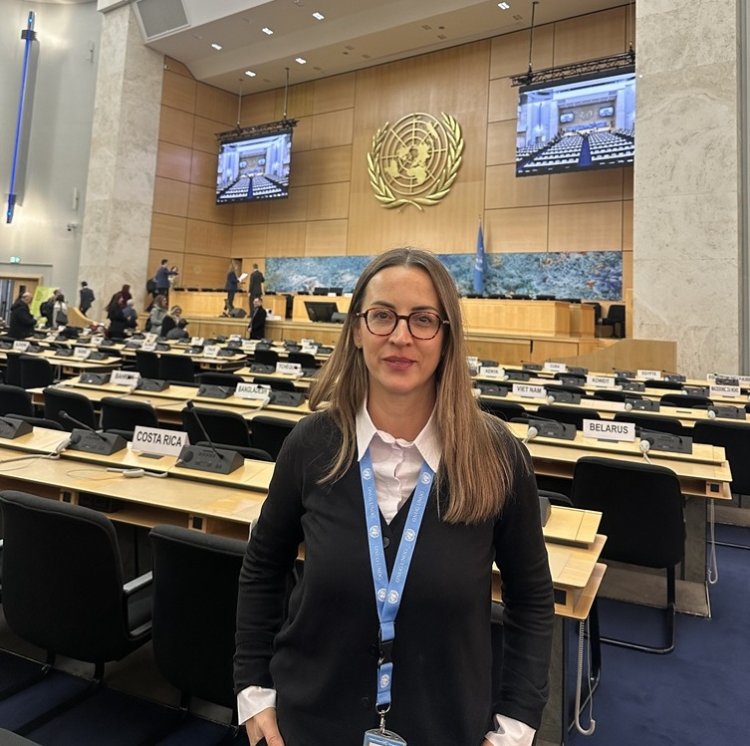
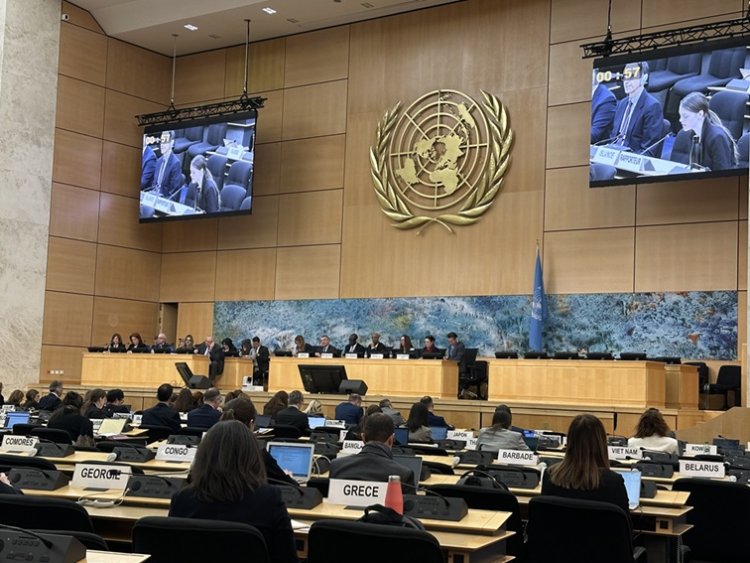
The United Nations (UN) Human Rights Council’s Universal Periodic Review (UPR) Working Group conducted Greece’s 4th cycle human rights review on 2 November 2026. International Relations Director of the Federation of Western Thrace Turks in Europe (ABTTF) Melek Kırmacı attended the review of Greece, which took place in Geneva, Switzerland, as part of the 53rd session of the UPR Working Group, and followed the proceedings on site.
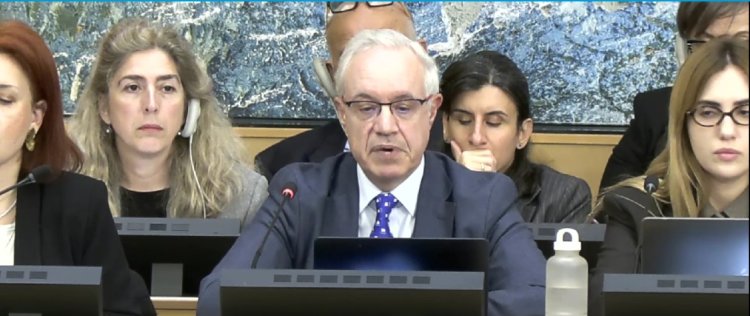
Under the UPR mechanism, whereby the human rights situations of all UN member states are assessed at regular intervals by other states, the Greek delegation – led by Greece’s Permanent Representative to the UN in Geneva, Ambassador Ioannis Ghikas, and comprising a total of 34 representatives from various ministries – outlined the steps taken to advance human rights since the previous review in 2021.
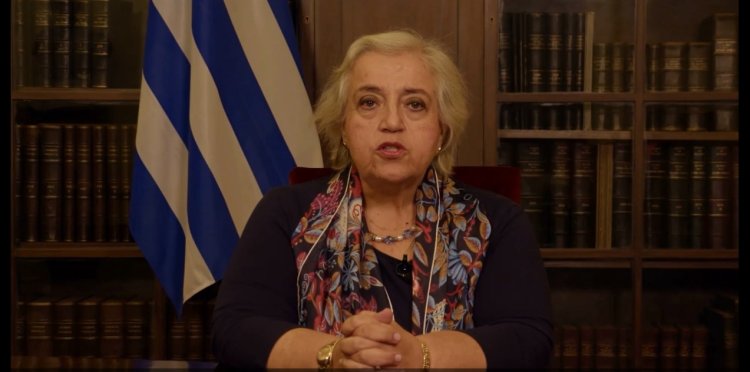
Delivering the country’s presentation via video message, Deputy Minister of Foreign Affairs of Greece Alexandra Papadopoulou outlined the legislative and administrative measures implemented in the areas of judicial reforms, the rule of law, gender equality, combating violence against women, the rights of children and persons with disabilities, migration and asylum policies, and the fight against racism and discrimination.
The ninety-nine state representatives who participated in the review and took the floor offered recommendations, particularly in the areas of migrants’ and refugees’ rights, allegations of pushbacks, violence against women, the functioning of the judicial system, the fight against discrimination and hate crimes, and the protection of human rights defenders. The states recommended the effective implementation of Greece’s 2nd National Action Plan against Racism and Intolerance and the strengthening of efforts to combat hate speech, whilst calling for a review of restrictive legal provisions, registration requirements and criminal sanctions affecting civil society organisations active in the field of migration and asylum, and for guarantees to be put in place to ensure that these organisations and human rights defenders can carry out their activities freely.
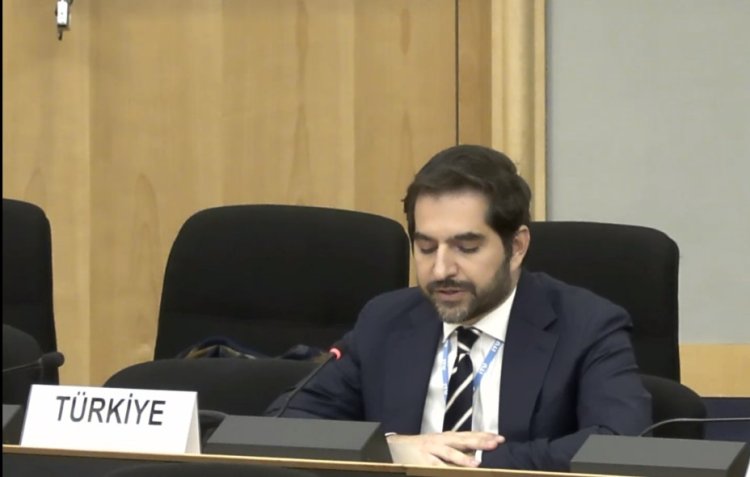
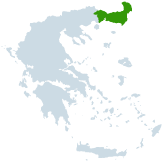
Intervening during the review, Türkiye recommended the recognition of the ethnic Turkish identity of the Turkish Minority in Western Thrace, an end to state interference in the minority’s religious affairs, and the official recognition of elected muftis. Türkiye also called for the execution of European Court of Human Rights (ECtHR) judgments concerning Turkish associations; for the right to establish and manage Turkish minority schools to be guaranteed; for the opening of Greek-Turkish bilingual kindergartens; and for an end to the closure of Turkish minority schools. Türkiye’s recommendations also included the management of minority foundations and combating hate speech and discrimination targeting the Turkish Minority in Western Thrace.
Azerbaijan, in its own statement, recommended that the rights of ethnic and ethno-religious minorities in Greece to education, religion and cultural heritage be protected, and that political and media-driven hate speech targeting the Turkish community in particular be effectively combated.
North Macedonia recommended that Greece show full respect for everyone’s right to self-identification and ensure this right is safeguarded through the effective implementation of national legislation.
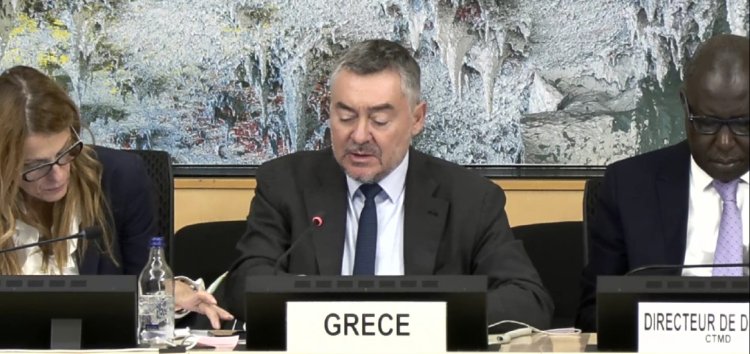
Following the statements made by the state representatives, the relevant Greek ministries addressed the issues falling within their remit and provided explanations regarding the recommendations put forward. Elias Kastanas from the Greek Ministry of Foreign Affairs responded regarding the Turkish Minority in Western Thrace. Referring to the 1923 Treaty of Lausanne, Kastanas asserted that “there is a Muslim minority in Thrace defined on the basis of religious identity, comprising groups of Turkish, Pomak and Roma origin”. Kastanas indicated that more than 240 mosques are in operation in Western Thrace, that three muftiates have been restructured, and that the process of appointing muftis has been completed. On the issue of freedom of association, Kastanas claimed that they are engaged in constructive cooperation with the Council of Europe regarding the execution of the European Court of Human Rights (ECtHR) judgments.
Kastanas also noted that there are approximately 80 minority schools in Western Thrace serving more than 3,500 pupils; he argued that whilst the operations of some schools had been suspended due to insufficient number of pupils, this practice applied not only to minority schools but to all schools across the country.
In addition to the written contribution submitted to the UN prior to Greece’s review, ABTTF had highlighted the problems faced by the Turkish Minority in Western Thrace in the areas of Turkish identity, freedom of association, education and religious autonomy, mufti offices, foundations and discrimination through an information note sent to state delegations and eight concrete recommendations.
“The fact that the Greek Ministry of Foreign Affairs has issued a statement on matters concerning the Turkish Minority in Western Thrace, who are its own citizens, clearly reveals the flaws and contradictions in our country’s approach towards us. Moreover, the existence of a Political Affairs Office in Xanthi within the Greek Ministry of Foreign Affairs also demonstrates the institutional dimension of this approach. From our perspective, this situation is an indication that Greece regards us as a foreign policy and security issue, or even a potential threat… Greece has also continued its stance before the UN, rejecting our Turkish identity and disregarding our educational and religious autonomy. As ABTTF, we will closely monitor the final report of the UPR review, the recommendations addressed to Greece and their implementation, and we will resolutely continue our efforts at the UN to safeguard the rights of the Turkish Minority in Western Thrace’’, said ABTTF President Halit Habip Oğlu, in a statement regarding the review.